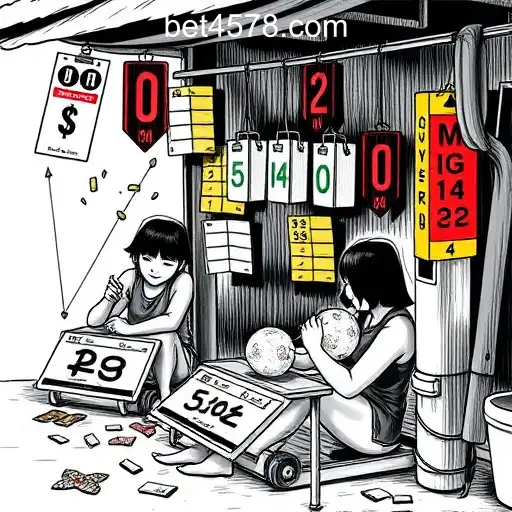
Exploring Jueteng: History and Its Impact in the Philippines
Jueteng, a popular numbers game in the Philippines, has a rich history that spans decades. Despite its illegal status, jueteng is deeply ingrained in Filipino culture, particularly in the provinces. This illegal lottery has often been associated with corruption, organized crime, and political controversies. To understand the full impact of jueteng, it is crucial to delve into its origins, how it operates, and the efforts made to curb its influence.
Origins and Popularity of Jueteng
The origins of jueteng can be traced back to the Chinese immigrants in the Philippines during the Spanish colonization period. Derived from the word "hue", meaning flower in Chinese, and "teng", meaning bet, jueteng became a widespread pastime. Over time, it transformed into a full-fledged underground lottery. The game became especially prominent in Luzon, where many locals partook despite its illegality.
Jueteng's simplicity is a key factor in its popularity. Players place a bet on any combination of two numbers between 1 and 37. If their numbers are drawn, they win a prize, often a multiple of their bet. This simple yet alluring betting system attracts many Filipinos looking for a quick reward. Moreover, the relatively low cost to participate makes it accessible to a broad audience, including those from economically disadvantaged backgrounds.
The Structure of Jueteng Operations
Jueteng is organized through a sophisticated network that involves various roles. At the grassroots level are the cobradores or collectors, who solicit bets from players. These collectors are typically from the community, ensuring trust and convenience. Above them are the cabos, akin to supervisors, who manage collections from multiple cobradores. Bets are then forwarded to the jueteng lords, who oversee the draw and payout.
This hierarchical structure makes it challenging for law enforcement to dismantle jueteng operations. The jueteng network's involvement can reach deep within communities, making it difficult for authorities to find witnesses willing to testify against them. The social and economic impact of jueteng is profound, as it creates illicit incomes but also fosters a web of corruption and exploitation.
Jueteng and Politics
Jueteng has played a significant role in Philippine politics. Historically, revenue from jueteng has been used to finance electoral campaigns, further entrenching political incumbents. Politicians who turn a blind eye to jueteng often receive support from jueteng operators, assisting them in maintaining power. This mutual benefit solidifies jueteng’s place in local and national political scenes.
High-profile scandals have arisen from jueteng connections. These scandals exposed the extent to which this illegal lottery entwines with the political elite. Often, allegations of jueteng payoffs reach the highest government offices, causing significant public outcry and calls for reform.
Legal Framework and Challenges
The Philippine government has repeatedly attempted to eliminate jueteng through legislation and law enforcement. Various administrations have launched crackdowns, tasking law enforcement agencies with dismantling jueteng operations. However, the societal roots and the covert nature of jueteng make enforcement extremely challenging. Corruption within law enforcement and local government can also impede these efforts, as some officials accept bribes or are directly involved in the operations.
To combat jueteng, some have proposed legalizing the game and regulating it, hoping to provide an alternative that redirects money to government coffers and fund social programs. While this has theoretical merit, challenges remain in transitioning an underground operation into a legalized framework without losing revenue to corruption.
The Role of Technology in Gambling
As digital gambling platforms such as Bet478.com Oficial Slots Brasil #1 rise in popularity, traditional forms of gambling like jueteng face new challenges and opportunities. The advent of online gambling platforms offers legal avenues for betting, challenging the dominance of local operations such as jueteng. Players looking for alternatives may find these platforms attractive due to their accessibility and diverse offerings.
However, the migration of gamblers to digital platforms does not entirely diminish the appeal of traditional games like jueteng. The personal connections and social aspect inherent in jueteng operations are absent in the digital realm, maintaining some level of loyalty to traditional practices. On the other hand, online platforms present a legal, regulated alternative that could reduce jueteng’s popularity over time.
Conclusion
Understanding jueteng entails more than just viewing it as an illegal activity. It is a manifestation of deeper socio-economic issues and reflects broader systemic challenges in the Philippines. While efforts to curb its prevalence continue, jueteng remains deeply embedded in the cultural, political, and economic fabric of the nation. Addressing it involves not just law enforcement but also addressing broader policy concerns, offering economic opportunities, and ensuring good governance. As the gambling landscape evolves, how the government and society respond will shape the future influence of jueteng in the Philippines.